
Purpose, Structure, Social Engagement, and Compassion: Lessons Shared at the 2026 NEPPA Rodeo
/Purpose, Structure, Social Engagement, and Compassion: Lessons Shared at the 2026 NEPPA Rodeo
There are certain professions where toughness is expected every single day.
Electrical lineworkers live in that reality.
They work in dangerous conditions, during storms, in the middle of the night, far from their families, often carrying enormous responsibility while the rest of us sleep comfortably with the lights on. Speaking at the 2026 NEPPA RodE&O Conference and Expo was an incredible honor because I had the opportunity to speak directly to a community that understands duty, sacrifice, teamwork, and resilience better than most people ever will.
During my presentation, I shared the mission of the Gordon J. Corsetti Mental Agility Foundation and discussed four essential elements that every person needs in order to remain mentally healthy and emotionally grounded:
Purpose
Structure
Social Engagement
Compassion
These are not abstract concepts. They are daily practices that help people endure hardship, recover from adversity, and continue moving forward when life becomes difficult.
Purpose Gives Us Direction
One of the most dangerous things a person can lose is purpose.
Purpose is what gets us out of bed in the morning. It gives meaning to struggle and context to sacrifice. For lineworkers, purpose often comes naturally through service. When storms hit and communities lose power, these men and women step into difficult and dangerous situations to restore normalcy for complete strangers.
That matters.
At the Foundation, we often discuss how human beings need to feel useful, connected, and needed. Gordon believed deeply that every person needs a mission greater than themselves. That belief continues to guide our work today.
Structure Creates Stability
Mental health is often discussed emotionally, but structure is one of the most practical mental health tools available.
Sleep schedules, physical training, nutrition, routines, accountability, preparation, and daily habits all create stability when life becomes chaotic. High-performing professionals understand this instinctively. Successful crews depend on discipline, preparation, and consistency.
The same principles apply to emotional well-being.
When stress, anxiety, grief, or depression enter our lives, structure becomes an anchor. It allows us to keep moving even when motivation disappears.
One of the key ideas we teach through Mental Agility is that we cannot always control our thoughts or emotions, but we can control our behaviors and routines. Over time, disciplined action changes how we think and feel.
Social Engagement Keeps Us Connected
No one is supposed to carry life alone.
In professions built around teamwork, camaraderie is often one of the strongest protective factors against isolation and hopelessness. The conversations in the truck, the jokes at the job site, checking in on coworkers, sharing meals, and simply being around people who understand your experiences all matter more than we realize.
Modern life increasingly pushes people toward isolation. Yet isolation is often where anxiety, depression, addiction, and despair grow strongest.
Gordon spoke openly about the importance of connection and vulnerability. Through the Foundation, we continue encouraging people to talk honestly, ask questions, and create environments where others feel safe enough to say, “I’m struggling.”
Strong people do not avoid connection.
Strong people build it.
Compassion Is Strength
One of the most important points I shared during my speech is that compassion is not weakness.
Compassion is awareness.
Compassion is leadership.
Compassion is recognizing that every person you meet is carrying burdens you may never fully understand.
In high-performance professions, many people become experts at hiding pain. They learn to compartmentalize stress and continue functioning. While that ability can be valuable professionally, it can also prevent people from asking for help when they truly need it.
Compassion changes that dynamic.
Sometimes compassion means listening without judgment. Sometimes it means checking in on a coworker who seems off. Sometimes it means speaking differently to ourselves during difficult moments.
And sometimes compassion means understanding that healing and growth are possible, even after profound hardship.
Carrying Gordon’s Light Forward
The mission of the Gordon J. Corsetti Mental Agility Foundation is rooted in hope, education, and practical tools for living a more mentally agile life. Gordon believed that mental agility, learning how to respond to difficult thoughts and emotions with skill, awareness, and resilience, could be taught.
Speaking to the lineworkers at NEPPA reminded me that resilience already exists within communities like theirs. What matters is creating spaces where people can combine that toughness with openness, connection, and compassion.
The strongest crews are not simply physically strong.
They trust each other.
They support each other.
They look out for one another.
That is true on the job site, and it is true in life.
Thank you to NEPPA and everyone who attended the 2026 RodE&O Conference and Expo for the opportunity to share Gordon’s story and continue this important conversation.
A special thanks to President of NEPPA, Mike Hyland who mentored Gordon as an NCAA Lacrosse Official and who helped Gordon become an Electrical Lineman. Gordon was so happy doing this work.
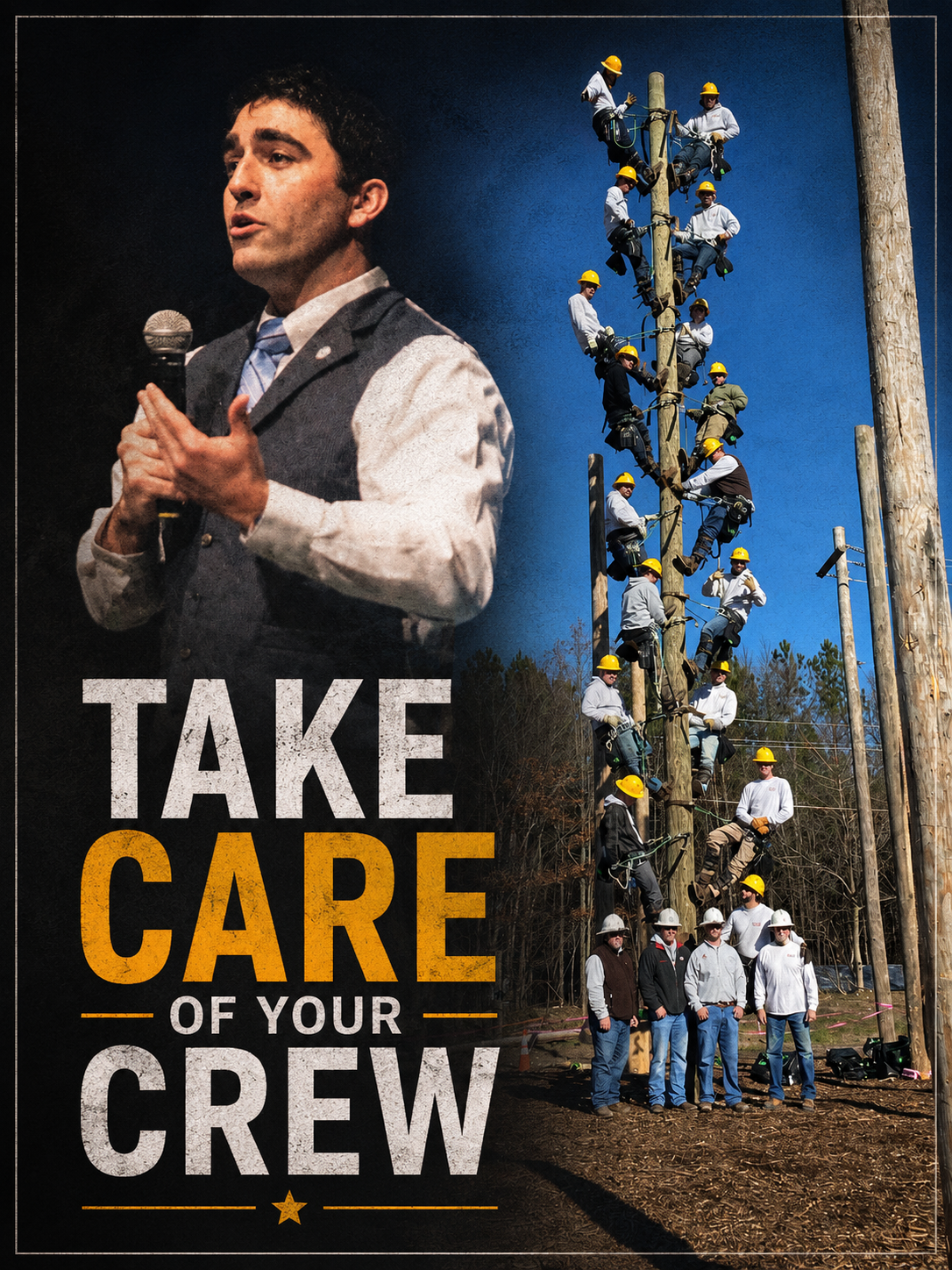
“Take Care of Your Crew”
Please consider donating to the Gordon J. Corsetti Mental Agility Foundation to help us keep Gordon’s legacy alive.
Call or text 988 for the Suicide & Crisis Lifeline for help. In an emergency, please call 911.
If you or someone you know is seeking help for mental health concerns, visit the National Alliance on Mental Health (NAMI) website, or call 1-800-950-NAMI(6264).
For confidential treatment referrals, visit the Substance Abuse and Mental Health Services Administration (SAMHSA) website, or call the National Helpline at 1-800-662-HELP(4357).
Top of Form
Bottom of Form

